Nematodes for Chafer Bug
£30.00
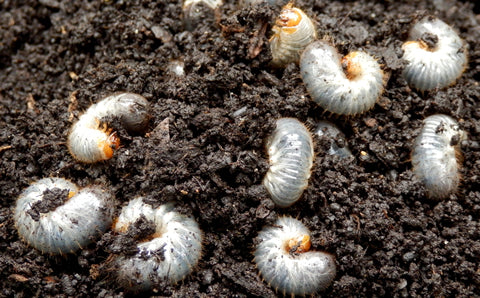
Unit price perChafer larvae can cause devastating damage to lawns. We supply microscopic beneficial nematodes (eel worms) which are watered into the lawn. The ground needs to be above 12°C for this product to work. This product is not sold during the colder months.
The best time to apply chafer grub control is at the end of the summer, when the newly hatched grubs will be at their most vulnerable. However if you find after a warm spring that the grubs are a problem even before they have pupated in May, then you may want to treat them at the beginning of the season. The treatment may be more effective in Autumn than in spring, but if your lawn is suffering then some treatment is better than none.
Some of the Chafer damage is caused by the grubs chewing at the roots of the grass, but much of it is caused by birds and animals scratching away at the soil searching for the juicy grubs.
Nematodes for Chafer Bug
£30.00
Unit price perChafer larvae can cause devastating damage to lawns. We supply microscopic beneficial nematodes (eel worms) which are watered into the lawn. The ground needs to be above 12°C for this product to work. This product is not sold during the colder months.
The best time to apply chafer grub control is at the end of the summer, when the newly hatched grubs will be at their most vulnerable. However if you find after a warm spring that the grubs are a problem even before they have pupated in May, then you may want to treat them at the beginning of the season. The treatment may be more effective in Autumn than in spring, but if your lawn is suffering then some treatment is better than none.
Some of the Chafer damage is caused by the grubs chewing at the roots of the grass, but much of it is caused by birds and animals scratching away at the soil searching for the juicy grubs.